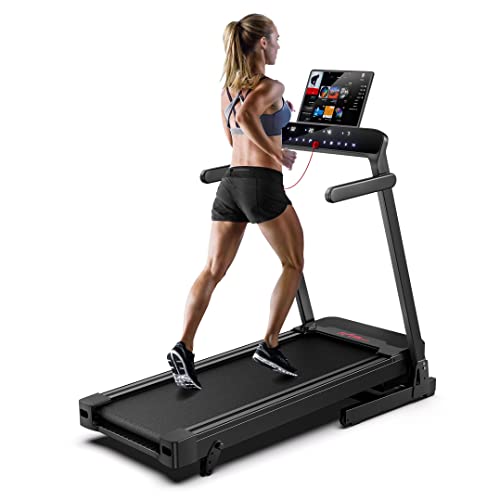
The Allure of Treadmills Without Electricity: A Comprehensive Guide
In a world increasingly controlled by state-of-the-art fitness gadgets, the simplicity and practicality of a treadmill that does not require electricity might appear like a throwback. Nevertheless, treadmills without electricity-- frequently referred to as "manual treadmills"-- have actually gained considerable appeal amongst physical fitness enthusiasts looking for a more simple, eco-friendly workout choice. This blog site post explores the myriad advantages, functions, and considerations surrounding manual treadmills, in addition to answering common questions from prospective buyers.
What is a Manual Treadmill?
A manual treadmill is a piece of exercise devices that enables users to stroll or run without needing electrical power. Instead of motorized treadmills that move the belt for you, manual treadmills rely on the user's own effort to propel the belt forward. Here's a fast contrast between manual and motorized treadmills:
| Feature | Manual Treadmill | Motorized Treadmill |
|---|---|---|
| Source of power | None | Electricity required |
| Operative Mechanism | User-powered | Motor-driven |
| Expense | Usually more affordable | Usually more costly |
| Mobility | Extremely portable | Often much heavier, less portable |
| Upkeep | Low | Requires more upkeep |
| Workout Intensity | Higher (more effort) | Can be adjusted |
Advantages of Using a Manual Treadmill
Affordable:
- Manual treadmills are typically more affordable than their electrical equivalents. With a lower initial investment and no ongoing electricity expenses, these treadmills can be an outstanding choice for budget-conscious people.
Eco-Friendly:
- As there are no motors or electrical parts included, manual treadmills are a sustainable choice. They don't consume fossil fuels and leave a smaller sized carbon footprint.
Versatile Workout:
- Because they need the user to create their own momentum, manual treadmills can provide more extreme exercises, suitable for those aiming to increase their endurance and strength.
Mobility:
- Manual treadmills are often lighter and easier to transport. They enable users to quickly save them away or move them from one area to another.
Decreased Risk of Injury:
- By enabling a more natural running movement, manual treadmills can assist decrease the risk of injury compared to motorized choices. Users have control over their speed and can stop or decrease right away.
Secret Features to Consider
When considering a manual treadmill, specific features need to be taken into account:
- Belt Quality: Look for a non-slip, resilient surface area that provides sufficient grip for security throughout exercises.
- Incline Levels: Many manual treadmills come with adjustable incline functions. Greater slopes can increase exercise intensity.
- Dimensions: Space can be a limitation, so examining the treadmill's footprint is important.
- Weight Capacity: Always inspect the producer's weight recommendations to ensure safety and durability.
- Display Monitor: Some manual treadmills include fundamental displays for tracking elapsed time, distance, and calories burned.
| Feature | Description |
|---|---|
| Belt Quality | Non-slip and long lasting materials for safety |
| Incline Levels | Adjustable settings for increased workout problem |
| Dimensions | Size and weight for ease of storage and transportation |
| Weight Capacity | Make sure the treadmill accommodates the user's weight easily |
| Show Monitor | Optional performance tracking includes |
Picking the Right Manual Treadmill
Given the range of manual treadmills offered on the marketplace, picking the best one involves examining personal fitness goals and requirements. Here's a streamlined list to direct customers:
- Assess your fitness goals: Are you going for weight loss, endurance, or general physical fitness?
- Think about the readily available area: Ensure the treadmill will fit well in your designated exercise area.
- Inspect for features: Look for adjustable incline settings or added innovation such as a distance tracker.
- Research study brands and evaluations: Read about the experiences of other users to gauge the dependability and resilience of the design you're considering.
- Set a budget: Compare various designs while keeping your budget plan in mind.
Regularly Asked Questions (FAQ)
1. Are manual treadmills suitable for all fitness levels?
Yes, manual treadmills accommodate different physical fitness levels. Novices can start at a slower speed, while advanced users can increase strength and speed.
2. How do manual treadmills impact calorie burn as compared to motorized ones?
Manual treadmills might result in higher calorie burn throughout workouts, as users need to put in more effort to move the belt.
3. Do I require to put together a manual treadmill?
The majority of manual treadmills come partly assembled, however you'll likely require to finish some assembly depending upon the design.
4. Can I carry out interval training on a manual treadmill?
Definitely! Manual treadmills are outstanding for interval training given that users can easily adjust their pace and start/stopping movements.
5. How do click through the next internet site keep a manual treadmill?
Upkeep is simple: routine cleaning of the belt and frame, looking for wear and tear, and ensuring empty storage when not in usage.
Manual treadmills offer numerous benefits, making them an appealing alternative for numerous physical fitness enthusiasts. Their energy-efficient style, integrated with the capability to offer reliable exercises, has actually cemented their location in home physical fitness routines. With a clear understanding of their functions and advantages, people can make an informed decision about whether a manual treadmill is the ideal choice for their health journey.
The uncomplicated appeal of manual treadmills-- coupled with their cost-effectiveness and sustainability-- ensures they stay pertinent in today's physical fitness market, supplying an engaging alternative to electric models.